

Description
Emotional Suffering in Children and Teens: What Parents Should Know and When to Act
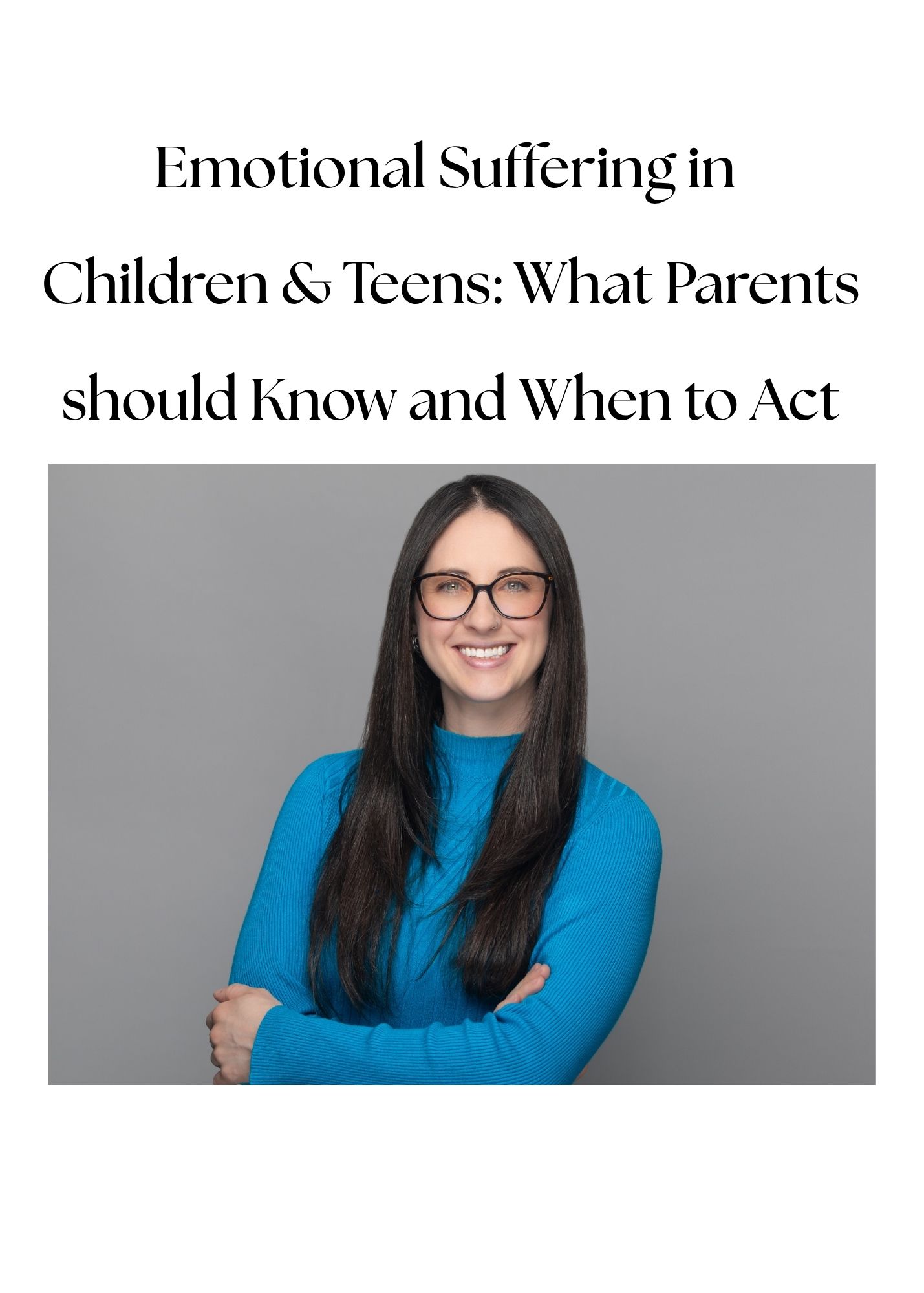
Presented by Cheryl K. Best, Ph.D.
March 30, 2026
Raising children is no easy task, and there’s no manual to guide us. Children today face unique generational challenges that are increasing the prevalence of mental health crises. Drawing on research in developmental psychology and the onset of mental illness, Dr. Best will offer strategies for fostering resilience and emotional well-being in children. She will also highlight the signs of potential mental health crises and what steps parents can take to respond.
In this presentation, you will learn:
- Proven skills to support your child’s emotional well-being
- How to recognize signs that your child is struggling with their mental health
- Strategies to talk to your child about the emotional distress they may be experiencing
- Steps to take when your child may be experiencing a mental health crisis
Bio
Dr. Cheryl Best is a psychologist at the Child Mind Institute. After earning her bachelor’s degree in psychology at Harvard, she went on to obtain her PhD in clinical psychology from University at Albany in New York and completed her clinical training at the Stanford Child and Adolescent Psychology program. She specializes in working with children of all ages and families impacted by trauma and emotional disorders that lead to high-risk behaviors, including suicidality and self-harm. She is extensively trained in dialectical behavioral therapy (DBT) and provides parenting support for parents of emotionally sensitive children. She is particularly interested in how culture shapes psychological well-being and helping parents navigate the unique challenges of cycle-breaking from intergenerational trauma.